 English
 English
Views: 500 Author: Site Editor Publish Time: 2026-11-17 Origin: Site
Anyone who has undergone a color ultrasound scan can attest to the fact that the ultrasound probe always brings a slight warmth to the skin. Few people notice, however, that behind this warmth lies the heat generated by the continuous operation of the core components of the equipment. For medical devices, cooling is never a trivial matter - it not only affects the detection accuracy and the lifespan of the equipment, but is also directly related to the safety of patients' use.
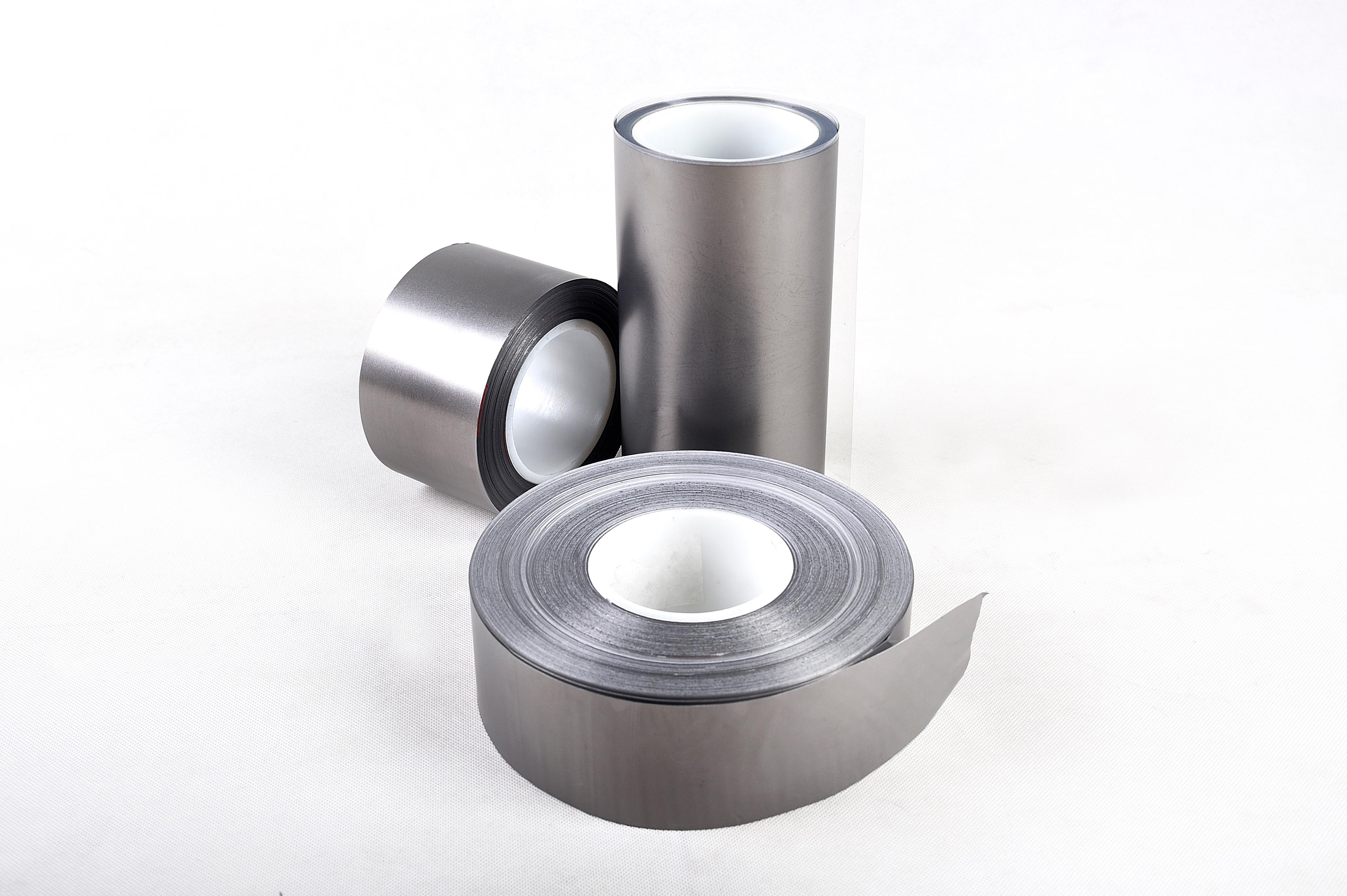
Among various cooling solutions, synthetic graphite sheets are increasingly being used in various medical devices and have become the mainstream choice for precise medical cooling.
The Three Challenges of Medical Cooling
Unlike ordinary consumer electronics, medical devices face more stringent industry constraints.
The first is extremely limited space. Ultrasound probes, endoscope tips, portable monitors... The core components of these devices are highly integrated, and the space left for the cooling structure is often measured in millimeters. Traditional metal cooling components are large in volume and have high hardness, making it impossible to accommodate them.
The second is strict safety standards. According to the general requirements for medical electrical safety, the surface temperature of equipment in contact with the human body must not exceed 43°C, and for infants and other vulnerable groups, it must not exceed 41°C. Once heat accumulates and forms a local hotspot, long-term contact poses the risk of low-temperature burns.
The third point is that the precision is highly sensitive. Core components such as piezoelectric transducers, image sensors, and main control chips, if exposed to excessively high temperatures, will directly cause parameter drift and an increase in image noise. This not only shortens the lifespan of the components but also affects the reliability of the diagnosis results.
The adaptability of graphite sheets precisely targets the pain points.
The reason why synthetic graphite sheets have stood out in the medical field is that their material properties have precisely solved the aforementioned problems.
Ultra-thin shape, suitable for millimeter-level spaces
The thickness of synthetic graphite sheets can be as low as several tens of micrometers, which is only a fraction of the thickness of ordinary printing paper. It can easily fit into the inner walls of probes, the backs of endoscopy modules, and the surfaces of mainboard chips, almost not occupying additional structural space. It perfectly resolves the contradiction of "small space, high heat" in medical equipment and is widely applicable to scenarios such as ultrasound equipment, monitors, and precision analysis instruments.
Ultra-high thermal conductivity, quickly smoothing hotspots
The In- thermal conductivity of synthetic graphite sheets can reach 1600-2000 W/m·K, which is several times that of pure copper. It can quickly spread the heat from point heat sources such as chips and transducers into a uniform surface heat source, reducing the working temperature of core components and making the temperature of the equipment shell more uniform. This fundamentally avoids potential safety hazards caused by local high temperatures.
Stable and durable, meeting the long-term requirements of medical applications
The chemical properties of graphite materials are stable, allowing them to work in a wide temperature range for a long time, with extremely slow performance degradation. At the same time, it is soft and flexible, allowing it to adapt to curved surfaces, irregular heat sources, and meet the long-term, high-reliability usage requirements of medical equipment.